Nigeria's election results move through a specific, structured chain before a winner is officially declared — and thanks to changes introduced under the Electoral Act 2026, ordinary citizens now have more direct, real-time visibility into that process than in previous cycles. Here's how the system works and how to follow it yourself.
How Counting Actually Works
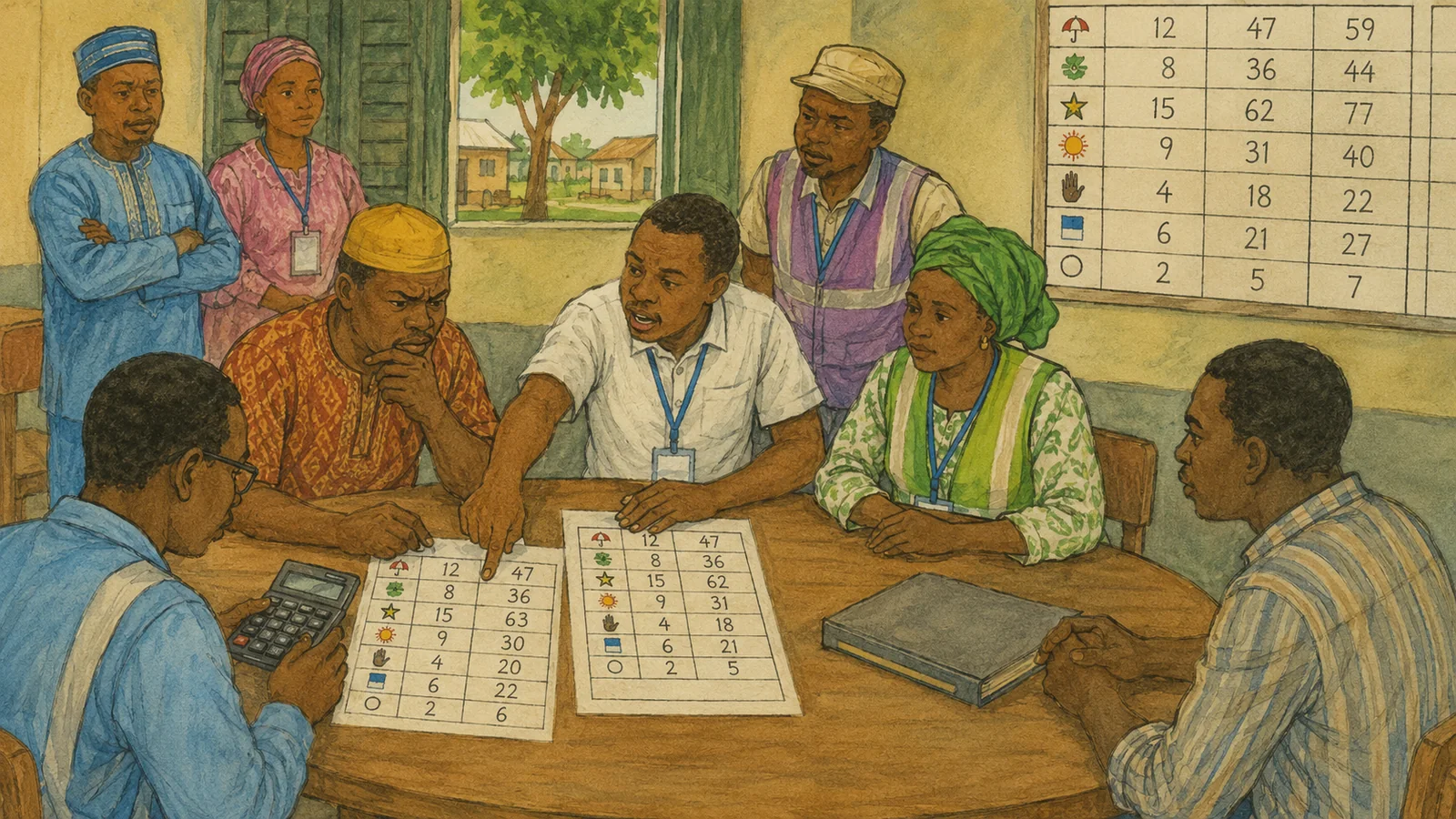
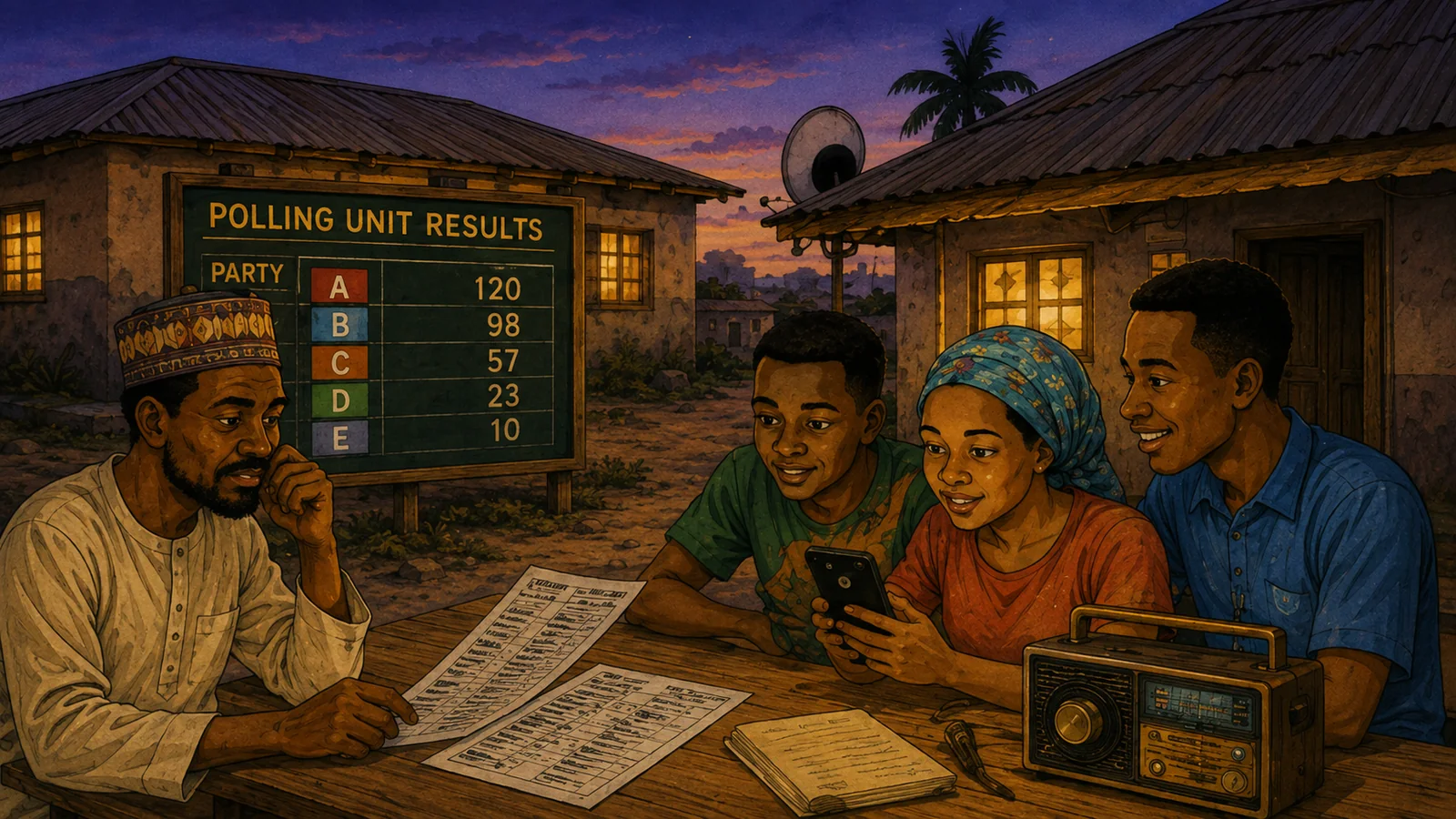
Vote counting doesn't happen at some distant collation centre — it happens right at your polling unit, immediately after voting closes, in full view of party agents and any observers present. Officials sort the ballots, count the votes for each candidate or party, and record rejected or spoilt ballots separately. That count is entered onto Form EC8A, the polling unit result sheet, which is signed by the Presiding Officer and the party agents on the ground before being publicly announced and pasted at the polling unit itself, for anyone present to see and note down.
From there, results move up a chain of collation:
Polling Unit → Ward → Local Government Area → State → National (for presidential elections)
At each level, officials collate — combine and verify — the results coming up from the level below, using signed forms specific to that stage; the ward-level summary, for instance, is recorded on Form EC8B. This is a manual, paper-based chain that has existed for years. What's changed recently is what now happens alongside it, electronically.
What Changed Under the Electoral Act 2026
The Electoral Act 2026 gave electronic result transmission a clearer statutory role. Section 60 requires the Presiding Officer, after completing the polling-unit result process, to electronically transmit the result to INEC's Result Viewing Portal (IReV) in the prescribed manner.
The law also creates an offence for a Presiding Officer who willfully violates the electronic-transmission requirement, with a penalty of a fine of not less than ₦500,000, imprisonment for not less than six months, or both.
There is an important fallback rule. If electronic transmission fails because of a communication failure and transmission becomes impossible, the signed and stamped Form EC8A remains the primary source for collation and declaration for that affected result. That specific fallback should not be turned into a broader claim that a manual form automatically defeats every kind of electronic evidence in every dispute.
In short: IReV matters more clearly in law than it did under the previous framework, but Nigeria still operates a system in which physical result forms and the statutory collation process remain crucial.
Using the IReV Portal Step by Step
Use INEC's official website or portal link to reach IReV rather than trusting a look-alike URL circulated on social media. Once access is available for the election:
- Select the relevant election.
- Narrow the results by state, Local Government Area, ward, and polling unit as the interface allows.
- Open the polling-unit result image and compare the figures shown on the uploaded form.
- If you were present at that polling unit, compare the uploaded record with what was announced and displayed locally.
INEC can change portal design and login requirements, so follow the live instructions on the official service rather than relying on an old screenshot tutorial.
Reading What You See — and Its Limits
IReV is useful precisely because it gives the public access to polling-unit result records, but it still needs to be read carefully:
- Image quality can vary. A blurred or poorly photographed form may be difficult to read.
- Uploads can be delayed. Network or device problems can slow transmission, especially in areas with weak connectivity.
- A delayed upload is not, by itself, proof of manipulation. Look for specific discrepancies and patterns rather than jumping from absence to accusation.
- You can check arithmetic. Compare candidate totals, accredited-voter figures, and the other numbers recorded on the form.
- The legal treatment of a dispute depends on the facts. The Electoral Act contains a specific EC8A fallback where electronic transmission becomes impossible because of communication failure, while other disputes may require broader collation records and evidence.
Beyond IReV: Independent Verification
INEC's portal isn't the only credible way to follow an election. Civil society groups have built their own parallel tracking systems specifically to cross-check INEC's data in real time:
- Yiaga Africa runs a "Watching the Vote" project using trained observers, alongside a results dashboard that independently assesses how completely and quickly IReV is being updated during an election.
- The Nigeria Civil Society Situation Room, a coalition of civic organisations, runs its own accountability tracker, combining accredited observer reports with citizen-submitted reports gathered directly from polling units.
Following these groups' verified accounts alongside IReV gives you a broader, independently-checked picture rather than relying on any single source for the full story.
Spotting Misinformation During Collation
Election night and the days that follow are prime territory for fabricated "results" circulating on WhatsApp and social media, often designed to look official at a glance. Protect yourself by:
- Treating any results screenshot from an unverified account with suspicion, no matter how official it looks or how urgently it's being shared.
- Waiting for results to actually appear on IReV, or be announced by INEC at each stage of collation, rather than trusting a claim that "results have leaked" ahead of any official announcement.
- Following only INEC's verified accounts and established, credible newsrooms for updates, and cross-checking anything surprising against more than one source before accepting it.
Following the Full Collation Chain to a National Result
Presidential results move from polling units through ward, local government, and state collation before reaching INEC's national collation centre, where the final result is formally declared. This process takes days, not minutes — a general election involves well over 100,000 polling units nationwide, and responsibly verifying that volume of paperwork and cross-checked data simply takes time. A slower-than-expected national announcement is normal at this scale; treat impatience, not the delay itself, as the thing to manage while you wait.
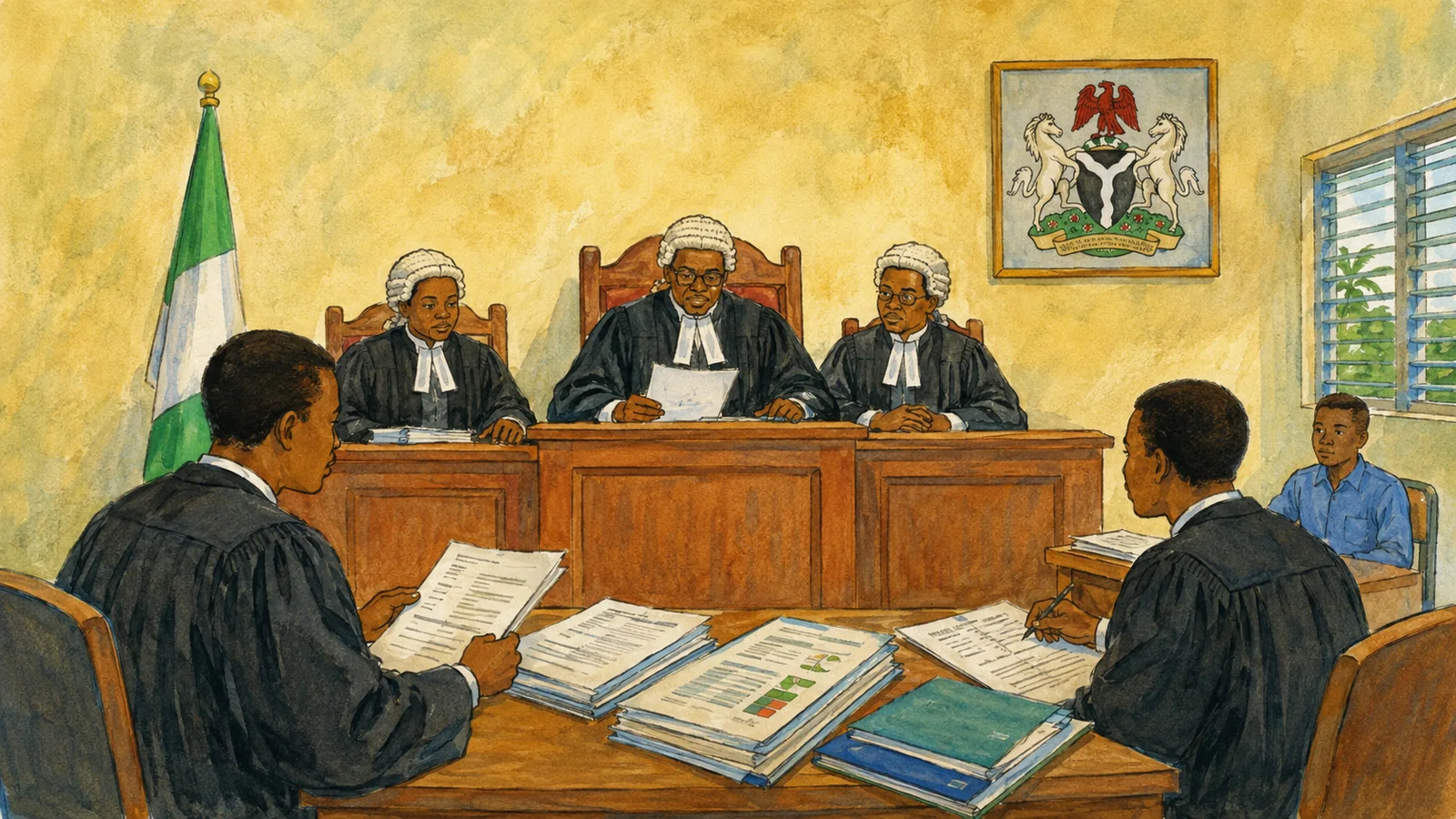
Once the final result is declared, it's published through INEC's official channels. Any disputes about the outcome are settled not on social media but through Nigeria's election petition tribunals — a formal legal process that exists precisely to resolve the kinds of discrepancies that public data like IReV is designed to help surface in the first place.
A Practical Way to Follow Election Night
If you want to follow results as they come in without getting overwhelmed, focus on three things at once: your own state's results on IReV, updates from one or two credible observer groups, and official INEC announcements — rather than an endless scroll of social media posts from unverified accounts. That combination gives you a genuinely reliable picture of what's happening, at a pace you can actually keep up with.
Last reviewed: 21 August 2026. Election dates, registration windows and polling procedures can change. Check INEC's official channels for the latest notice before acting.