Every election cycle, you'll hear news reports referencing a "collation dispute" at some level — a ward, a Local Government Area, sometimes an entire state. It's one of those phrases that gets used constantly around election time without always being explained clearly. Here's what it actually refers to, and why it happens.
Collation, Quickly Recapped
Results begin at the polling unit, where votes are counted and recorded before moving through the legally prescribed collation chain for the particular election.
"Collation dispute" is a useful descriptive phrase, but it is not best understood as one single, separately defined statutory offence or lawsuit. It usually describes a disagreement over whether a result being carried from one level to another has been accurately recorded, transmitted, added, or verified.
The Electoral Act 2026 also gives collation and returning officers specific tools for resolving disputes over polling-unit or collated results, including reference to original result records, accreditation data, and transmitted information.
What Actually Triggers a Collation Dispute
Several different problems can create a genuine dispute:
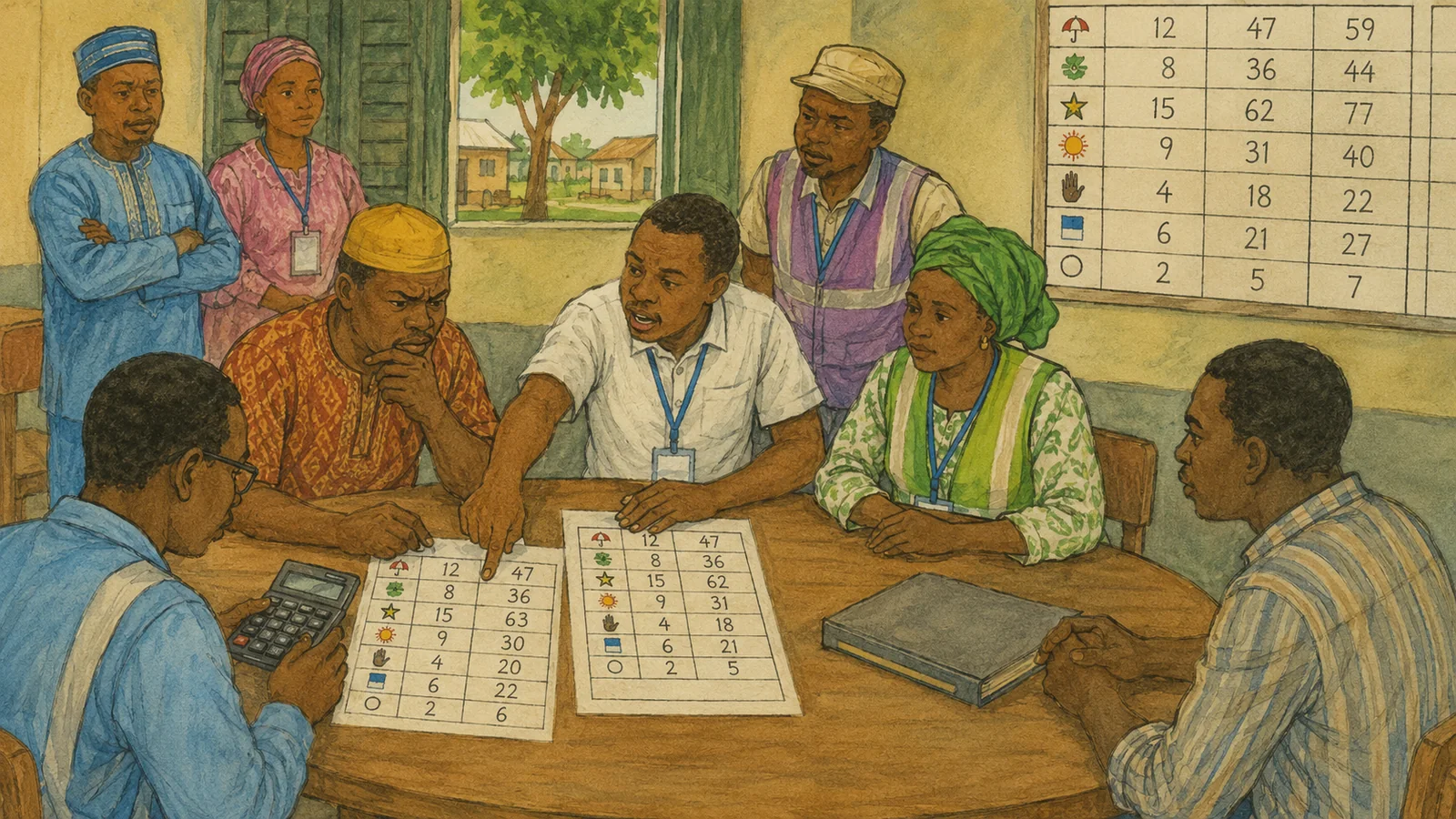
Mismatches between levels. A figure announced or recorded at a polling unit or lower collation level may not match what appears at the next level.
Over-voting allegations. A party may argue that the votes recorded exceed the legally relevant accreditation figures. Whether that leads to cancellation depends on the conditions and evidence required by the Electoral Act; it should not be described as an automatic result in every disputed case.
Electronic-versus-physical record issues. Section 60 requires electronic transmission of polling-unit results to IReV. If transmission becomes impossible because of communication failure, the Act specifically preserves the signed and stamped Form EC8A as the primary source for collation and declaration in that situation. That does not mean the paper form automatically overrides every type of electronic evidence in every dispute.
Possible transcription or arithmetic errors. A wrong figure can sometimes be explained by a copying or addition mistake rather than ballot manipulation.
Alleged alteration or manipulation. More serious accusations may involve claims that a result was changed between stages of the process. Those claims require evidence and may later form part of an election petition.
Who Actually Raises These Disputes
Party agents are positioned to compare the figures they observed with what is being announced at collation and can raise objections through the process. Accredited observers can independently document what they see and report irregularities.
Neither group should be described as having power to take over the collation officer's legal function. Agents and observers can call attention to a discrepancy; the authorised election officials have to apply the statutory review and collation procedures.
How Disputes Get Resolved in the Moment
The Electoral Act 2026 provides a more explicit framework for resolving disputed results during collation. Depending on the dispute, authorised officers can refer to the original result, accreditation records from the approved device, transmitted accreditation information, and transmitted vote/result data.
Where the statutory process shows that a wrong result was collated or announced, the law provides mechanisms for correction or re-collation. That is different from simply accepting whichever version is loudest on social media.
When a Dispute Leads to a Supplementary Election
A disagreement at collation does not automatically produce a supplementary election.
Supplementary or postponed voting can arise where voting or results in affected areas have been cancelled or cannot lawfully be completed and the outstanding votes are material to whether a winner can be returned under the applicable rules. INEC then applies the legal and regulatory framework for the affected contest.
So the useful question is not merely "was there a collation dispute?" but whether there were cancelled or outstanding votes, whether they could affect the outcome, and what INEC formally decided under the law.
The Difference Between a Collation Dispute and an Election Petition
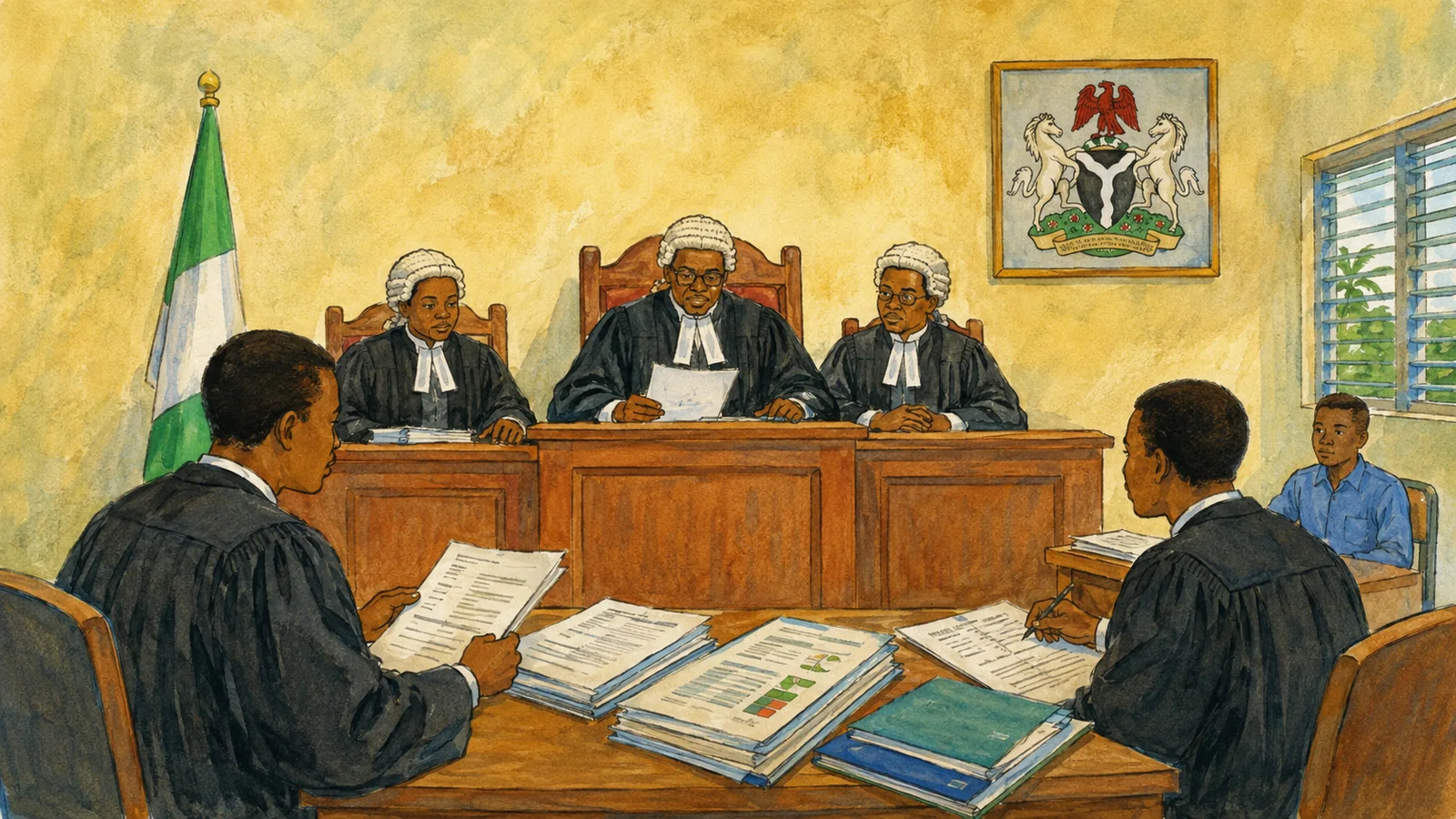
It's worth keeping these two concepts distinct, since they're related but not the same thing. A collation dispute is a real-time disagreement raised during the actual process of combining results, often resolved (or not) right there at the collation venue. An election petition is a formal legal challenge filed afterward, at an Election Petition Tribunal, once a final result has already been declared. Many petitions do draw on evidence from unresolved collation disputes, but a collation dispute doesn't automatically become a petition — that requires a candidate or party to actively decide to pursue the formal legal route within the applicable deadline.
Why You'll Hear About This More in Close Elections
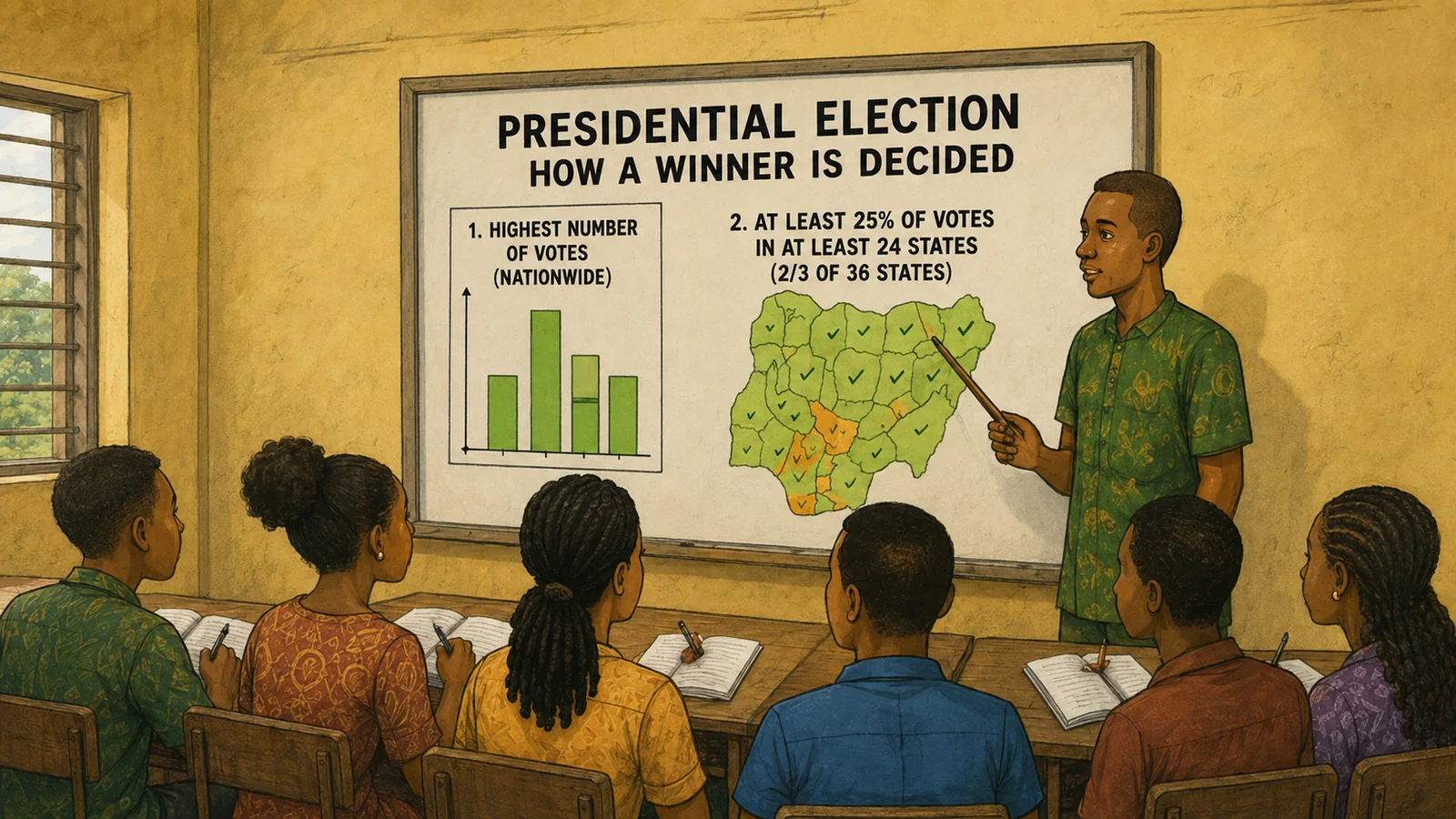
Just like the presidential 25% threshold, collation disputes generate far more attention in tight, closely contested races than in lopsided ones. When a margin is wide, small discrepancies at individual polling units or wards rarely matter enough to change an outcome, so they attract little scrutiny. When a margin is narrow, the same size of discrepancy can matter enormously, which is why collation disputes tend to cluster heavily around the most competitive races and the most closely watched states in any given cycle.
What to Watch For as an Informed Observer
If you want to follow collation disputes intelligently rather than just reacting to headlines, focus on a few specific signals: whether a discrepancy involves over-voting (a genuinely serious, cancellation-worthy issue) versus a simple transcription mismatch (often correctable on the spot); whether the dispute is being raised by a party agent with formal standing or circulating informally on social media; and whether it's tied to a specific, identifiable polling unit or ward rather than a vague, unsourced claim about an entire state or region.
The Bottom Line
A collation dispute is best understood as a challenge to the accuracy or legality of the result being carried through the collation chain. It can involve mismatched figures, accreditation questions, electronic-transmission issues, arithmetic mistakes, or more serious allegations of manipulation.
The Electoral Act 2026 provides officials with specific records and data to use when resolving these disputes. A dispute is not automatically proof of fraud, and it does not automatically trigger a supplementary election or an election petition. The evidence, materiality, and legal procedure matter.
Last reviewed: 21 August 2026. Election dates, registration windows and polling procedures can change. Check INEC's official channels for the latest notice before acting.