
Voting itself only takes a few minutes. Getting to that point smoothly — without a wasted trip, a missed accreditation window, or an avoidable scramble — is almost entirely about what you do in the days before. Here's how to walk into election day prepared.
Confirm You're Actually Ready, Days Before
Don't wait until the morning of the election to find out something's wrong. A few days ahead of time:
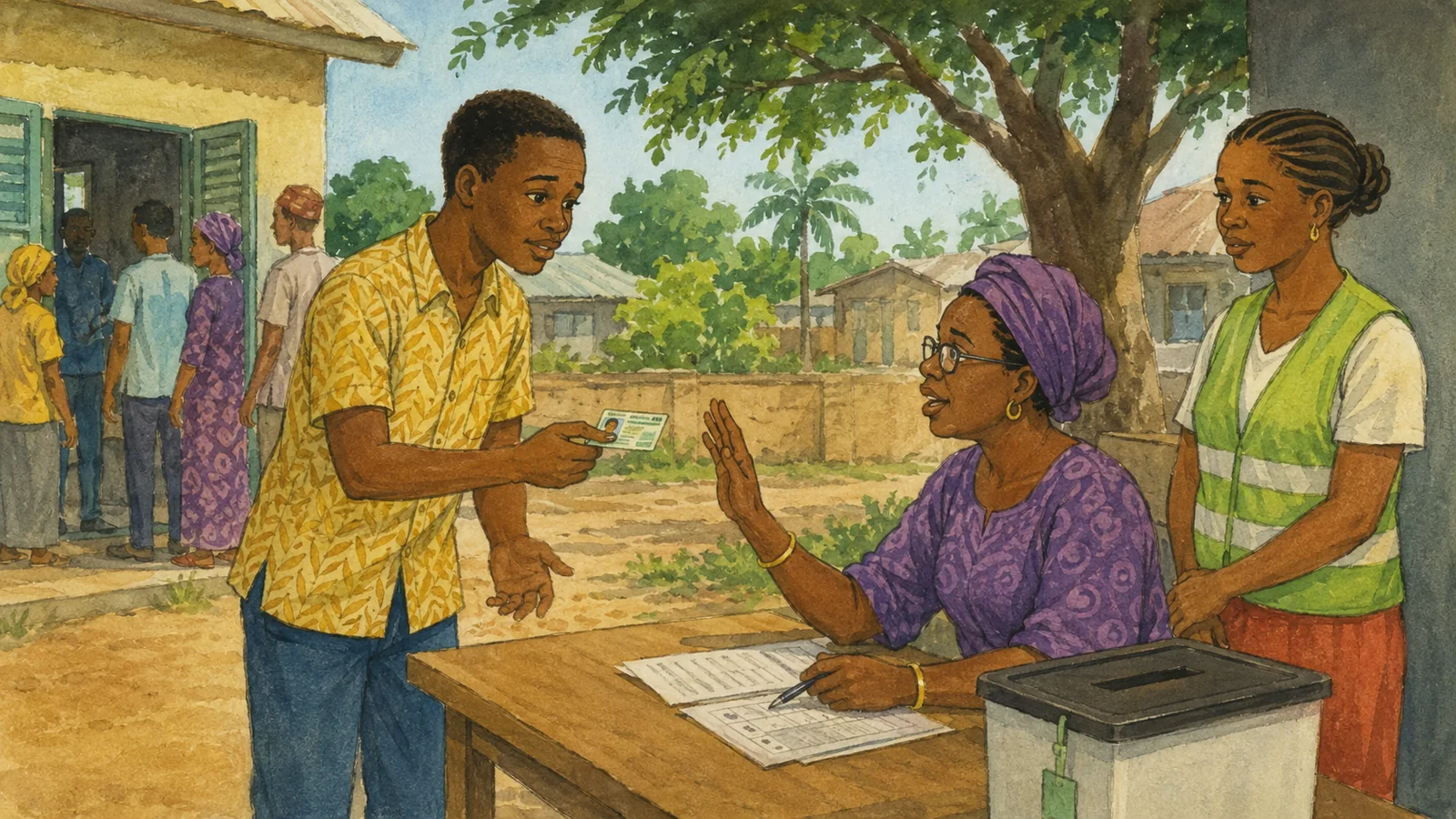
- Locate your PVC and confirm it's the genuine card, not just a temporary slip or acknowledgement receipt.
- Check your details are correct — name spelling, photo, and especially your designated polling unit. If anything's off, it's too late to fix it once the register has closed, so this is really about knowing what to expect rather than being able to change it at this stage.
- Know your Voter Identification Number (VIN), printed on your card, in case you need to reference it at any point.
Know Your Polling Unit Before You Leave Home
Every polling unit has a printed voter register pasted outside it on election day, and you can only vote at the specific unit where you're registered — not the one that's closest to you, and not the one your friend or family member goes to. Your PVC states your polling unit, ward, and local government area. If you've never actually been there, it's worth locating it beforehand rather than discovering on the morning of the election that you're unsure where to go.
If you moved house after you last registered and never formally requested a transfer during a Continuous Voter Registration window, your polling unit is still the one printed on your card. That means either travelling back there on election day, or waiting for the next registration window to formally transfer.
Plan Your Morning Like You Mean It
INEC's continuous accreditation-and-voting model has generally used an 8:30 a.m. to 2:30 p.m. window, with voters already in the queue at closing time allowed to complete the process. But election-day hours are operational details, so confirm the final 2027 notice before you leave home.
Either way, arriving early is sensible. Think through:
- How you'll get there, and a backup option if transport is difficult
- Who you're going with, if anyone
- Arrangements for children, elderly relatives, or anyone who may need assistance
- How much time you need to reach the polling unit before voting begins
Treat voting as something that may take several hours rather than a five-minute errand. Queues, device problems, weather, or delayed materials can all add time.
What to Pack
- Your PVC — this is the document INEC requires you to present for accreditation.
- An optional extra means of identification, if you have one. It is not a substitute for your PVC and is not an additional voting requirement, but it may be useful if you need to clarify personal details.
- Water and a snack, especially if you expect a long wait or hot weather.
- Any personal accessibility or comfort item you genuinely need.
- A charged phone, if useful for communication. Phones are not generally banned from the polling-unit area, but do not take a camera-capable device into the voting cubicle or photograph your marked ballot.
Leave campaign materials and anything that could create a security problem at home. Follow lawful instructions from election and security officials at the polling unit.
Special Provisions Worth Knowing About
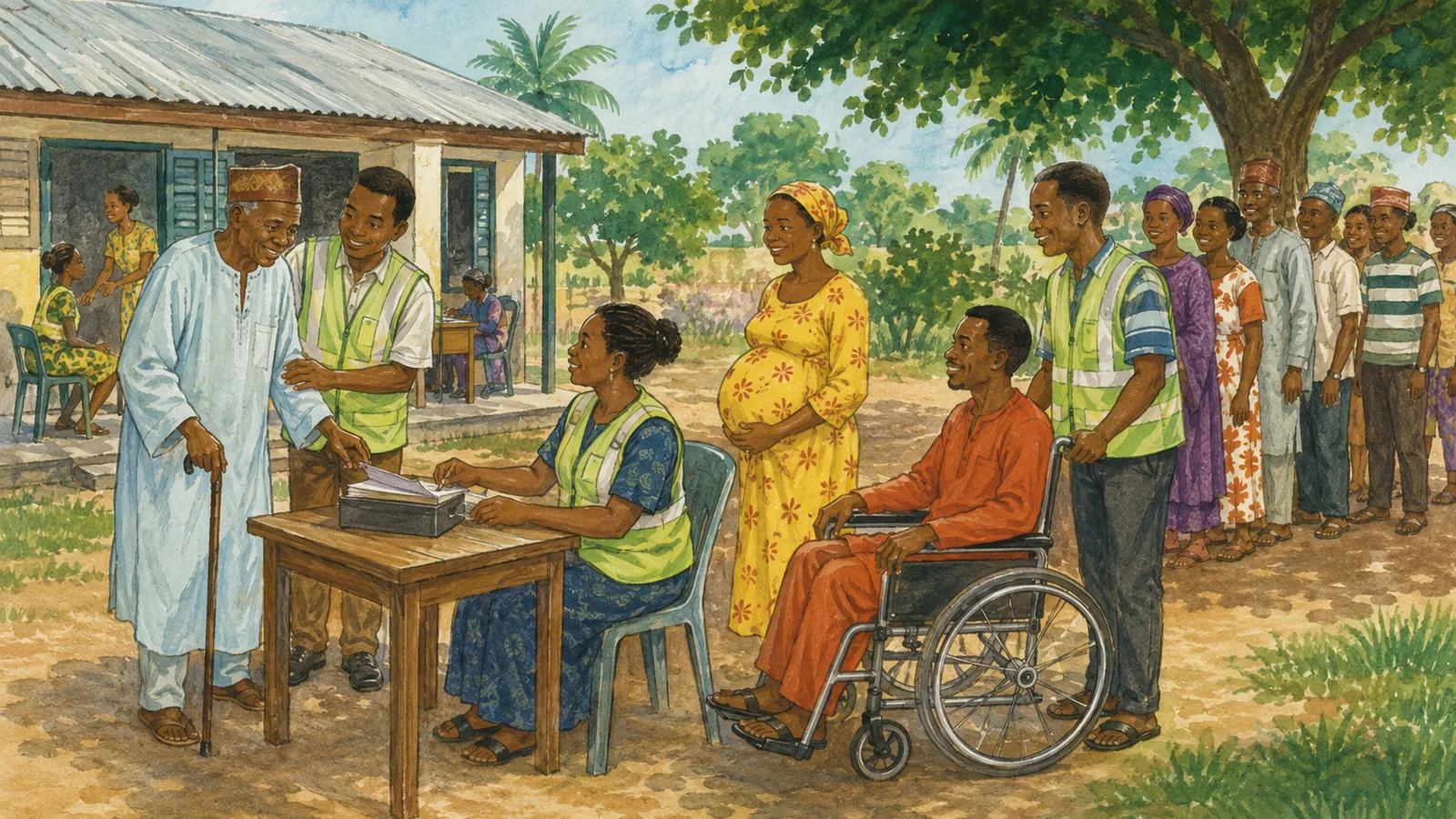
INEC's polling procedures provide priority treatment for categories such as elderly voters, pregnant or nursing voters, and persons with disabilities. Voters with disabilities also have specific protections under the Electoral Act 2026, including assistance by a person of their choice in qualifying circumstances, subject to safeguards against party or candidate involvement.
If you or someone you are accompanying needs assistance, tell the Presiding Officer rather than assuming you have to manage the general queue without help.
Protect Yourself From Misinformation in the Final Days
The days right before an election are when false information spreads fastest — fake claims about postponed dates, relocated polling units, or "leaked results." Before acting on anything you see on WhatsApp or social media in the final stretch:
- Cross-check against INEC's official website (inecnigeria.org) and its verified social media accounts.
- Be sceptical of any last-minute claim that your polling unit has moved, unless it comes from an official announcement you can verify.
- Remember that INEC has changed dates and deadlines more than once this cycle through official channels — so verify directly rather than assuming a rumour is either true or false just because it sounds plausible.
What to Expect Once You Arrive
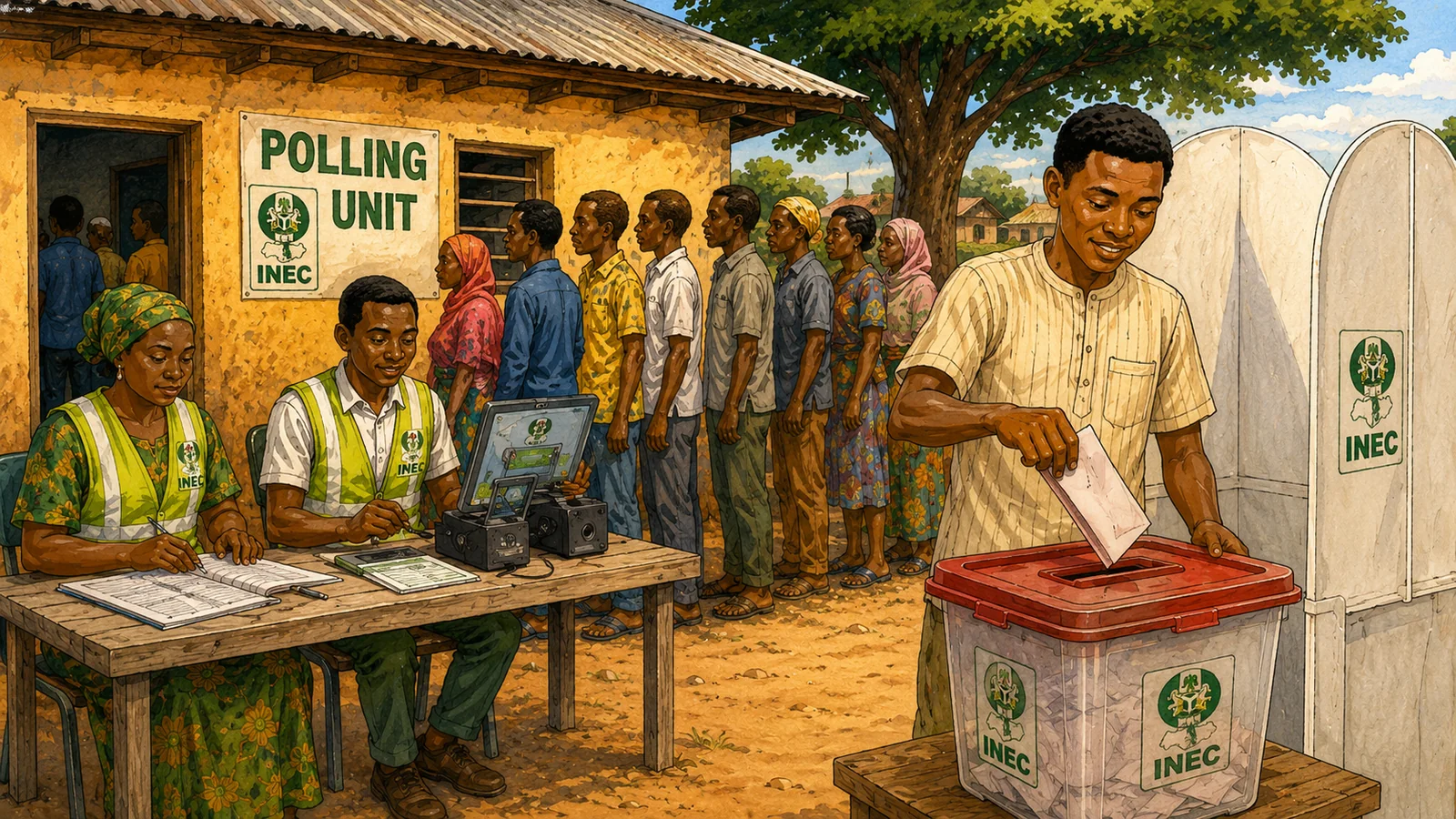
You'll find your name on the printed register outside the polling unit, join the accreditation queue, and go through the Bimodal Voter Accreditation System (BVAS) process before voting. The full mechanics of accreditation and casting your ballot are worth understanding in detail beforehand so nothing catches you off guard on the day itself — but the short version is: bring your PVC, expect a fingerprint and, if needed, a facial scan, and be ready to wait your turn patiently alongside everyone else.
If You Won't Be Near Your Polling Unit
Nigerian elections don't currently offer postal or remote voting for ordinary citizens — you have to be physically present at your registered polling unit. If election day falls during a period when you'd normally be travelling for work, school, or family reasons, it's worth adjusting your plans well in advance rather than discovering the conflict at the last minute. There's no same-day workaround if you're not there in person.
A Word on Patience
Even with perfect preparation, election day in Nigeria can involve waiting — for materials to arrive, for a queue to move, for a device to work properly. This is normal and rarely personal. Officials, party agents, and often independent observers are all present specifically to keep the process fair, even when it's slow. Bringing the right mindset matters almost as much as bringing the right documents.
Final Checklist
- PVC located and confirmed genuine
- Polling unit location known in advance
- Transport plan sorted, with a backup option
- Departure time set to arrive before the official opening time
- Optional extra ID, water, and any comfort items packed
- Arrangements made for anyone elderly, pregnant, nursing, or living with a disability in your household
- Following only verified INEC channels for any last-minute updates
Preparation doesn't guarantee a perfectly smooth election day — long queues and hiccups happen even with the best planning. But most of the frustration people report afterward comes from things that were entirely avoidable the week before: not knowing where to go, arriving late, or acting on a rumour instead of a verified fact.
Last reviewed: 21 August 2026. Election dates, registration windows and polling procedures can change. Check INEC's official channels for the latest notice before acting.