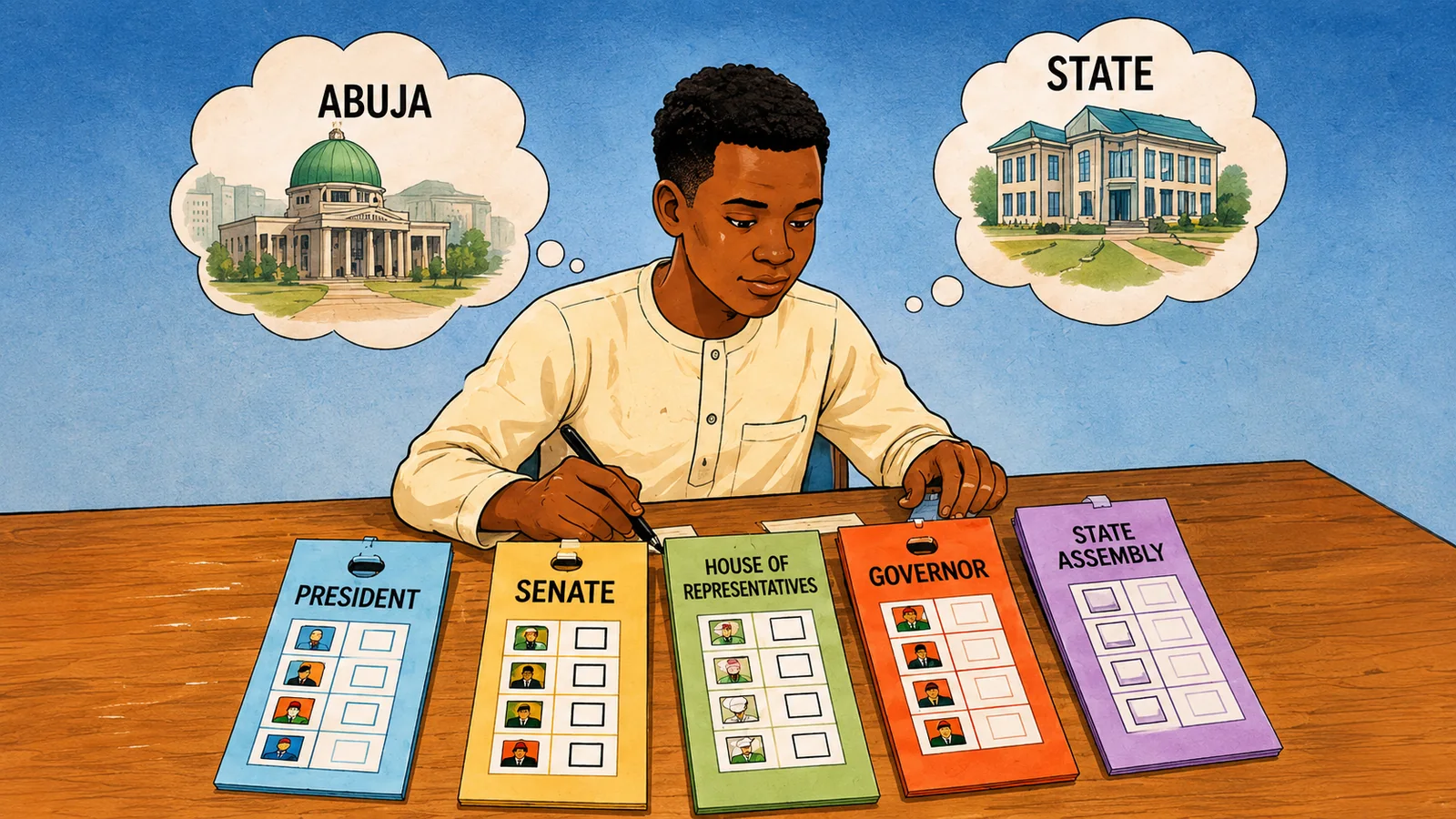
INEC currently lists Nigeria's presidential and National Assembly elections for 16 January 2027, with governorship and State House of Assembly elections following on 6 February 2027.
Before a single official ballot is cast, TryVote Nigeria is running something different: an independent, unofficial nationwide voting simulation for Nigerians aged 18 and above, whether they are in Nigeria or part of the Nigerian diaspora. A PVC is not required to take part in the TryVote simulation.
Our first public milestone is simple: 100,000 accepted mock votes.
That number is not a claim that TryVote becomes a scientific poll at 100,000. It is a participation goal — large enough to make the platform more useful, more interesting to follow and more reflective of the variety of people choosing to take part.
Why 100,000?
A few thousand online responses can be exciting, but they can also be heavily concentrated in a particular city, school, friend group or online community. Nigeria is much bigger than that: 36 states, the FCT and millions of Nigerians living abroad, with very different political conversations from one place to another.
Reaching 100,000 would give TryVote a much broader base of voluntary participation across those locations. It could make state-level and national platform patterns more meaningful to explore while still carrying an important warning: TryVote participants are self-selected, so the results are not representative polling and should not be treated as an election forecast.
In other words, 100,000 matters because of participation and breadth — not because it magically turns an online mock election into a scientific sample of Nigeria.
Participation Matters Beyond the Counter
Nigeria entered the 2023 presidential election with more than 93 million registered voters. International IDEA's post-election data puts turnout at roughly 27% of registered voters.
TryVote cannot solve official-election turnout on its own, but part of the reason the platform exists is to make civic participation feel familiar again: choose, participate, follow the result, ask questions and stay engaged with the real election process.
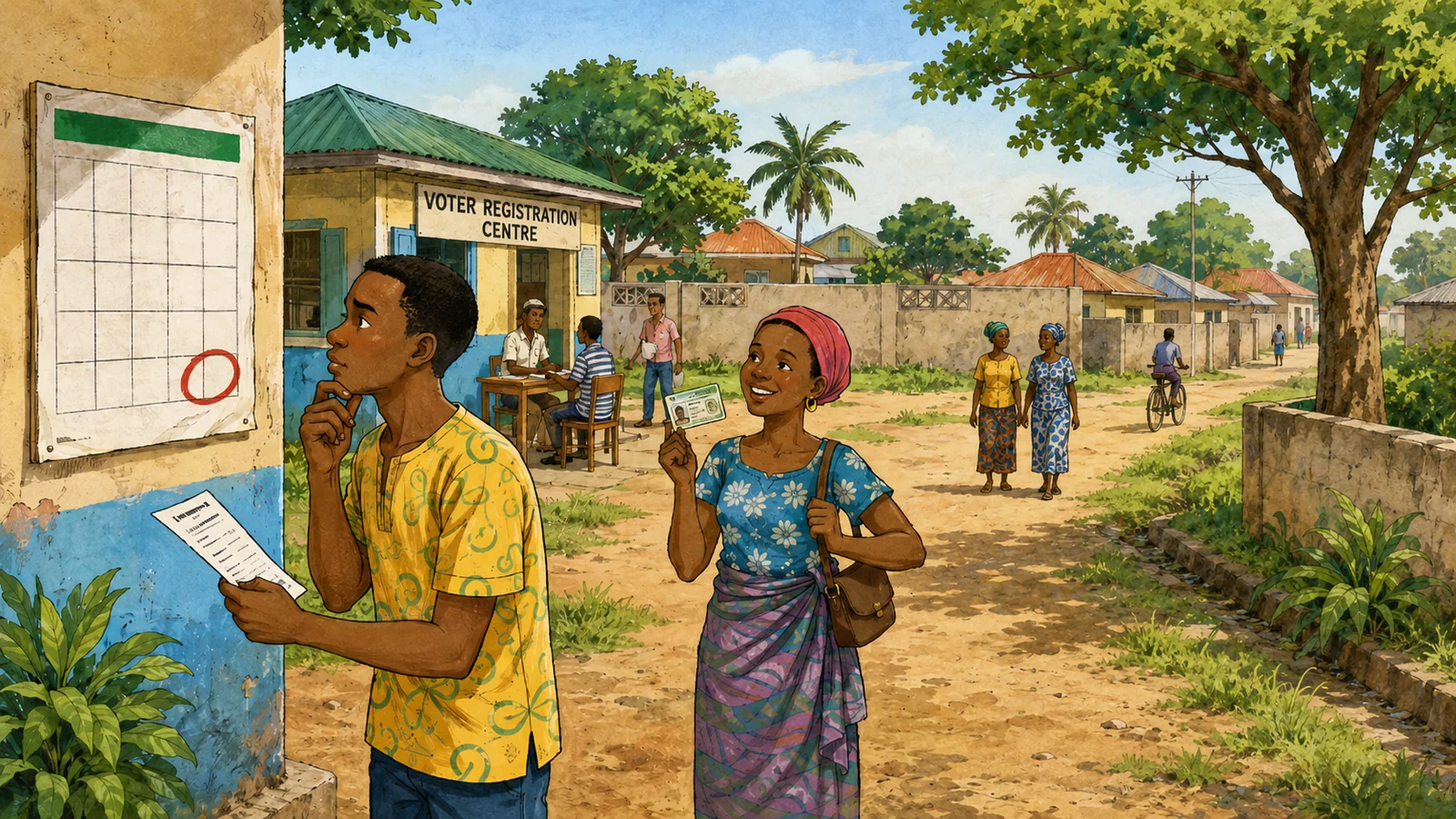
We also hope TryVote reaches people preparing to participate in a general election for the first time. The platform does not collect exact age, gender or first-time-voter status, so we will not pretend to know how many participants fall into those groups. What we can do is make the experience accessible and pair the mock vote with practical voter education.
What Changes When the Counter Gets Bigger
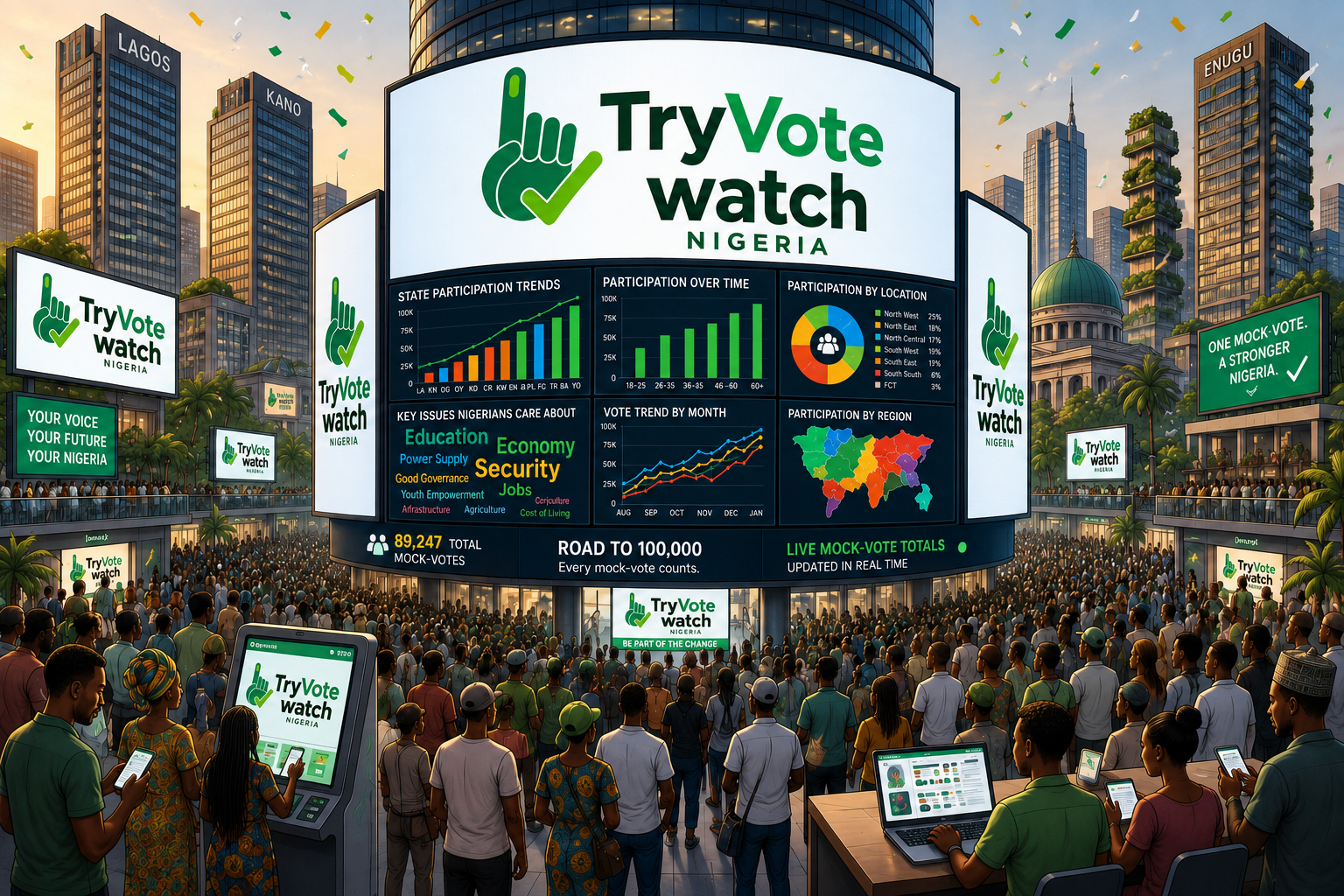
At 100,000 accepted mock votes, the number itself becomes a shared civic milestone. People can follow how participation is developing, compare aggregate results across states, see the separate diaspora snapshot and watch the national presidential board change as more people take part.
That can create useful TryVote Watch stories about what is happening on this platform: where participation is strongest, which mock races are close, how state patterns differ and how the national board changes over time.
What it cannot do is prove how Nigeria as a whole intends to vote. TryVote Watch will keep that distinction clear in every analysis we publish.
How We Plan to Get There
Our growth plan is built around people and communities more than dependence on paid advertising.
Student and youth communities
Universities, polytechnics, youth communities and professional networks are natural places for civic conversations to spread. We plan to develop a campus and youth ambassador network that helps people discover TryVote, understand what it is and share it responsibly.
A live participation race
The public counter makes the milestone visible. State participation boards can create friendly regional competition while the national goal gives everyone one number to move together.
Sharing without revealing your candidate
TryVote is designed so people can share the platform without automatically exposing who they selected. That matters in a political environment where many people want to participate in the conversation without publishing their personal choice.
Voter education beside the mock ballot
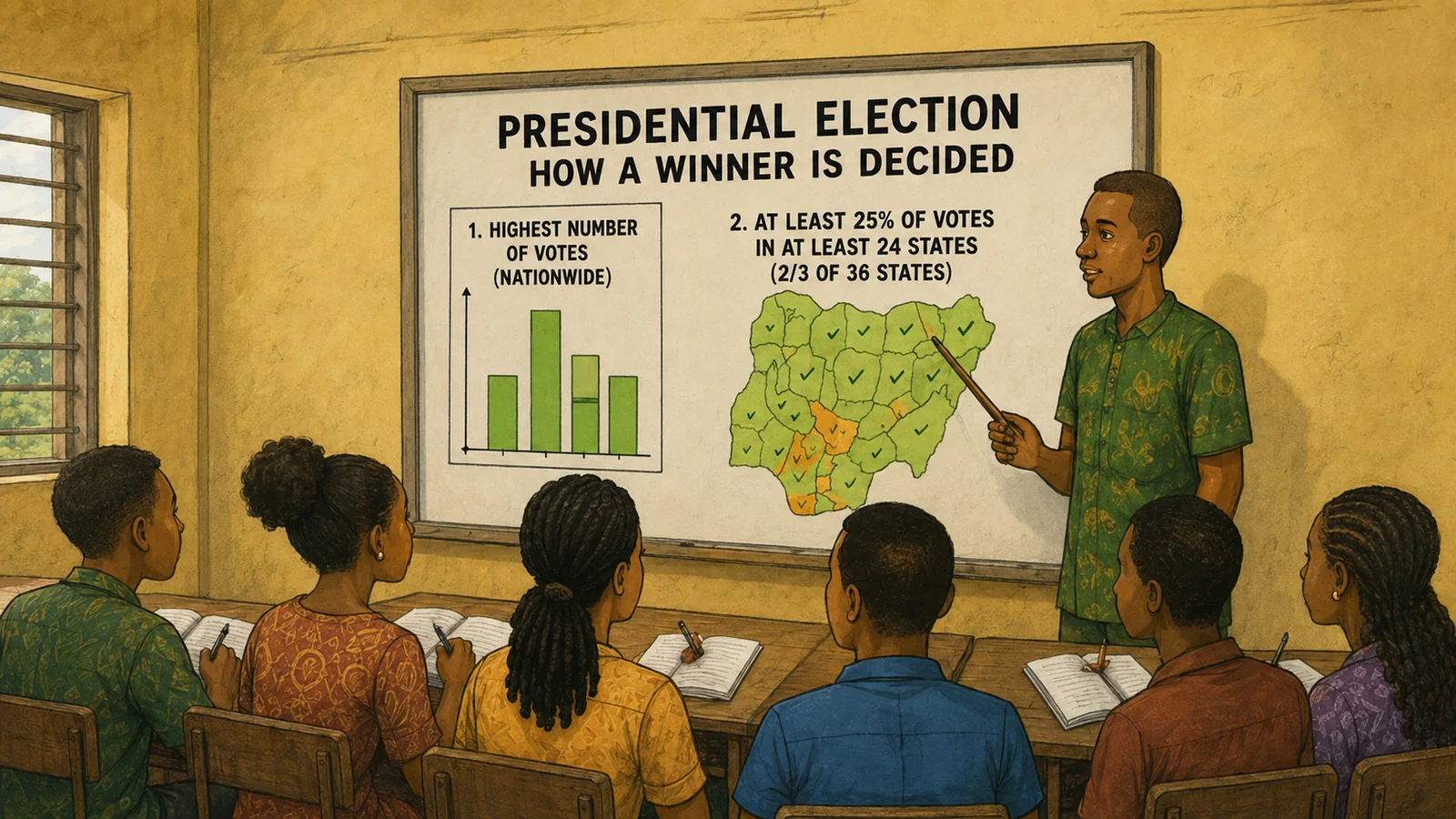
The simulation sits alongside practical Election Explainers covering PVCs, election-day preparation, the voter register, collation and other questions. Someone who arrives to learn about the official election can discover TryVote, while someone who comes to cast a mock vote can leave better informed about the real process.
Nigerians outside Nigeria
TryVote also includes a separate Nigerian Diaspora / Outside Nigeria participation option for the presidential simulation. Diaspora mock votes contribute to the overall TryVote presidential total and a separate diaspora aggregate, but they are not treated as a Nigerian state and do not receive a governorship ballot.
This is a TryVote simulation feature only. Diaspora participation on TryVote does not mean official Nigerian elections permit Nigerians abroad to cast an official ballot from overseas.
What 100,000 Will Mean — and What It Won't
If TryVote reaches its first 100,000 accepted votes, it will mean that a large number of people chose to spend a moment participating in an unofficial Nigerian civic experiment and watching the result together.
It will give us more aggregate data to explore openly, more state-level activity to follow and a stronger base for useful TryVote Watch reporting.
It will not mean:
- that TryVote represents every Nigerian voter;
- that the mock result predicts the official election;
- that TryVote is conducting an INEC election; or
- that 100,000 is the final ceiling for participation.
100,000 is our first public milestone, not our finish line. The immediate job is to make each step toward it visible, transparent and worth sharing.
One Vote at a Time
Casting a TryVote mock vote takes under a minute. Every accepted submission moves the public counter, and aggregate results remain open for people to follow.
The point is not to claim that TryVote knows exactly what Nigeria will do on 16 January. The point is to build a transparent record of what a growing community of TryVote participants is choosing — and to use that participation to keep more people interested in the real election happening beyond the screen.
Methodology note: TryVote reflects voluntary participation on this platform. Results are not scientific opinion polls, election forecasts or official election results. TryVote is independent and not affiliated with INEC.
Last reviewed: 21 August 2026. Election dates and official procedures are time-sensitive; check INEC's official channels for the latest information.