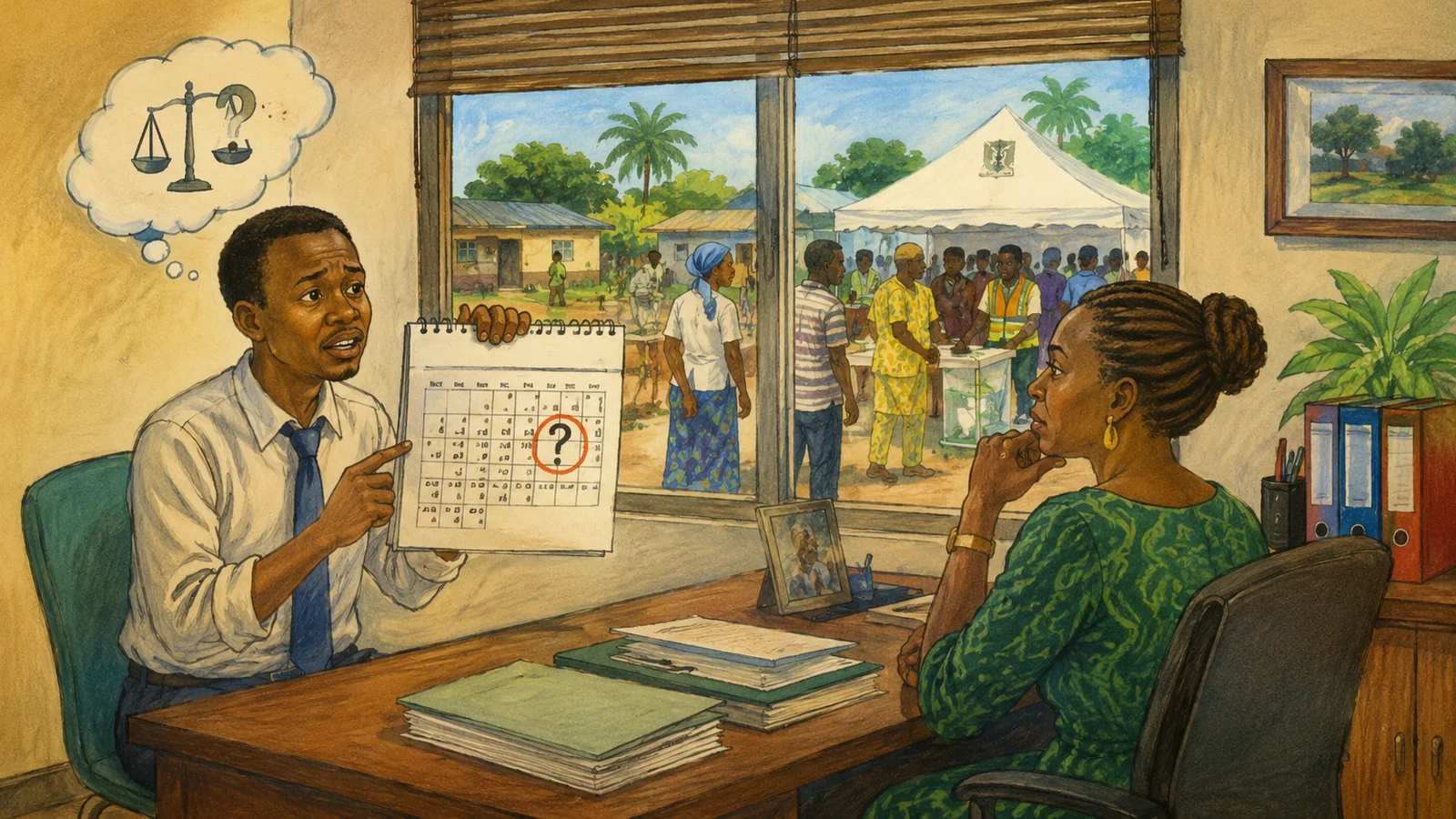
If you are already planning around the 2027 elections, do not assume that "election day" automatically gives every worker a legally guaranteed day off.
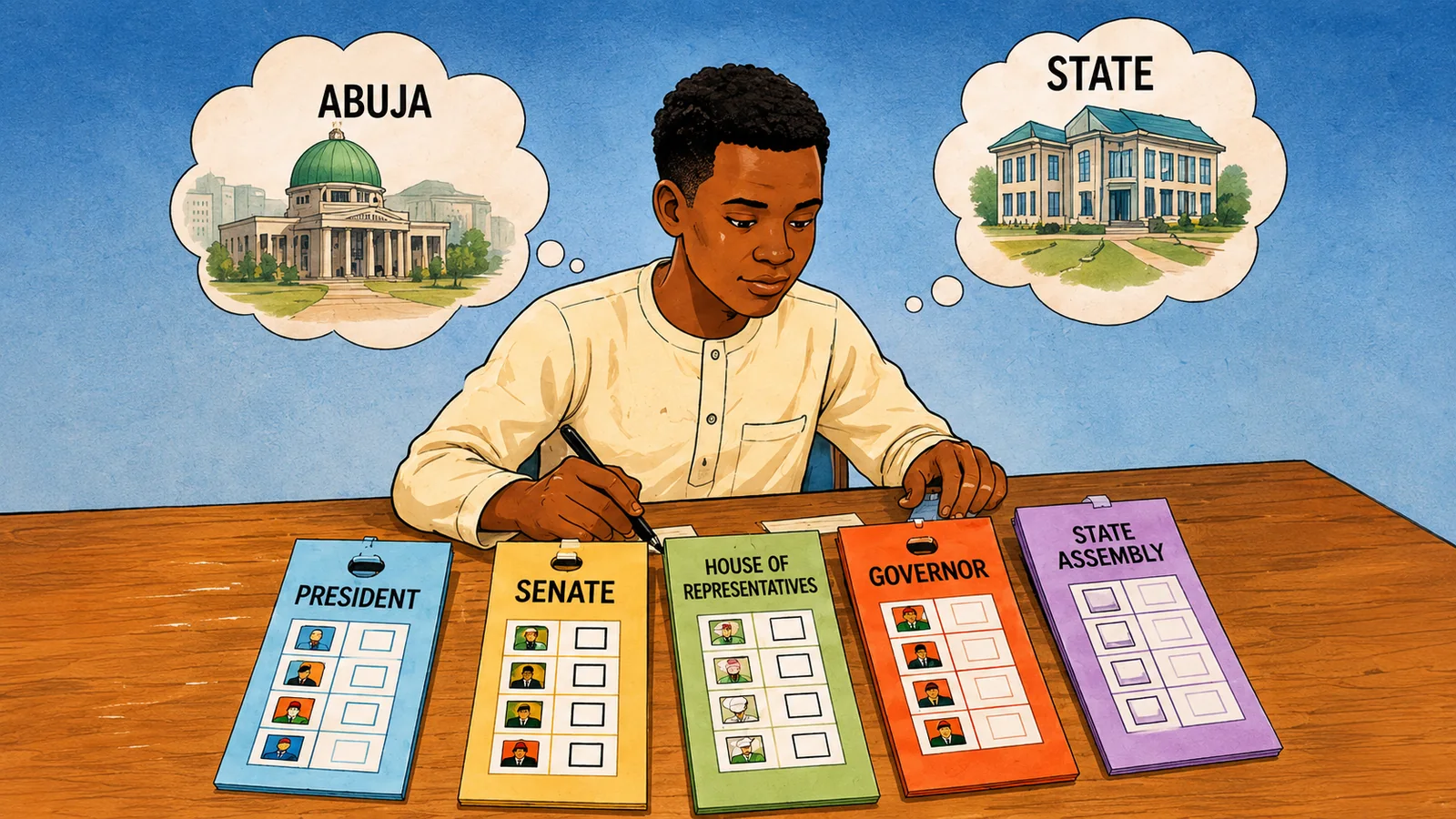
INEC's current calendar lists the presidential and National Assembly elections for Saturday, 16 January 2027, and the governorship and State House of Assembly elections for Saturday, 6 February 2027. Both dates already fall on Saturdays, but that does not answer every worker's question—many Nigerians work weekends, travel long distances to their registered polling units, or work in sectors that continue operating during public holidays.
Election Day Is Not Automatically a Holiday Because an Election Exists
Public holidays and work-free days are created through the applicable legal or official declaration. There is no safe rule that says every election automatically creates the same nationwide employment entitlement for every worker.
That is why you should look for the actual government notice or circular covering the election, rather than assuming that precedent from an earlier election has already created a 2027 holiday.
Has a 2027 Election Holiday Already Been Declared?
As of 21 August 2026, the election dates are published by INEC, but you should not treat that as the same thing as a federal public-holiday declaration for January or February 2027.
A holiday announcement, if one is made, will have its own scope and wording. It may identify the date, the workers or institutions covered, and any exceptions.
Until that notice exists, the accurate position is: the election is scheduled; the holiday question remains subject to the relevant official declaration and workplace rules.
Why You Sometimes Hear About "Work-Free Days" Before Elections
Governments can declare work-free days for practical election reasons even when the election itself is on a weekend.
A recent example came in Osun State in August 2026: the state government declared Friday, 14 August a work-free day for public servants ahead of the Saturday governorship election, allowing people additional time to travel and prepare. Osun had also used a work-free day earlier in the year to support PVC collection.
That is a useful example of how election-related time off can work—but it is not a promise that the Federal Government or every state will make the same declaration for 2027.
What About Private-Sector Employees?
This is where the phrase "your rights as an employee" can be misleading if used too broadly.
A government circular may apply clearly to public servants while the practical effect on private businesses can depend on the wording of the declaration, general public-holiday law, the nature of the employer's operations, employment terms, and whether the business provides an essential or continuous service.
Do not assume that a state government's work-free day for its civil servants automatically means every private employer in that state has received the same instruction.
If you work Saturdays, ask your employer early how the organisation plans to handle the election dates and any later government declaration.
What If You Need to Travel to Your Polling Unit?
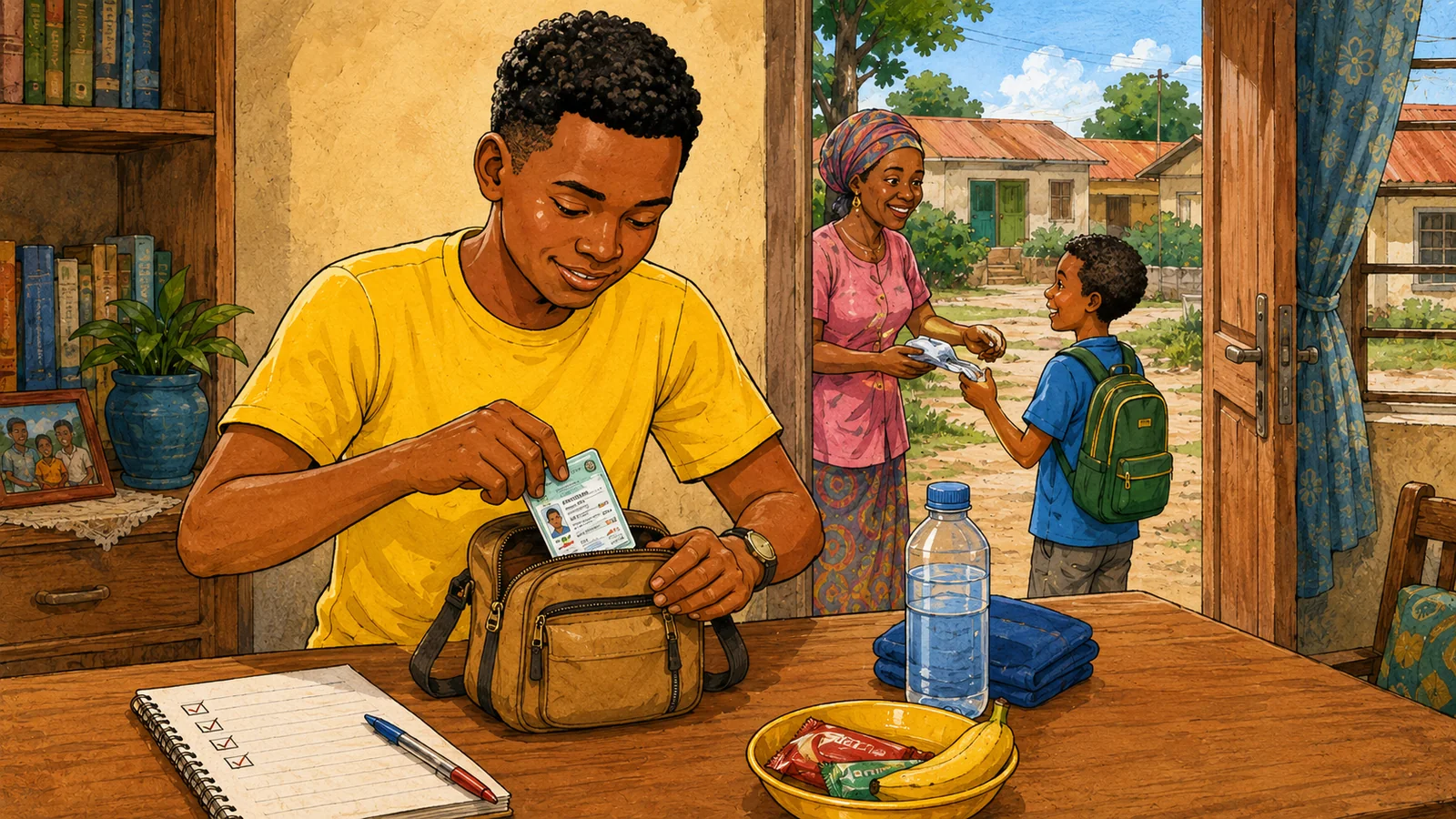
This is one of the biggest reasons to plan before election week.
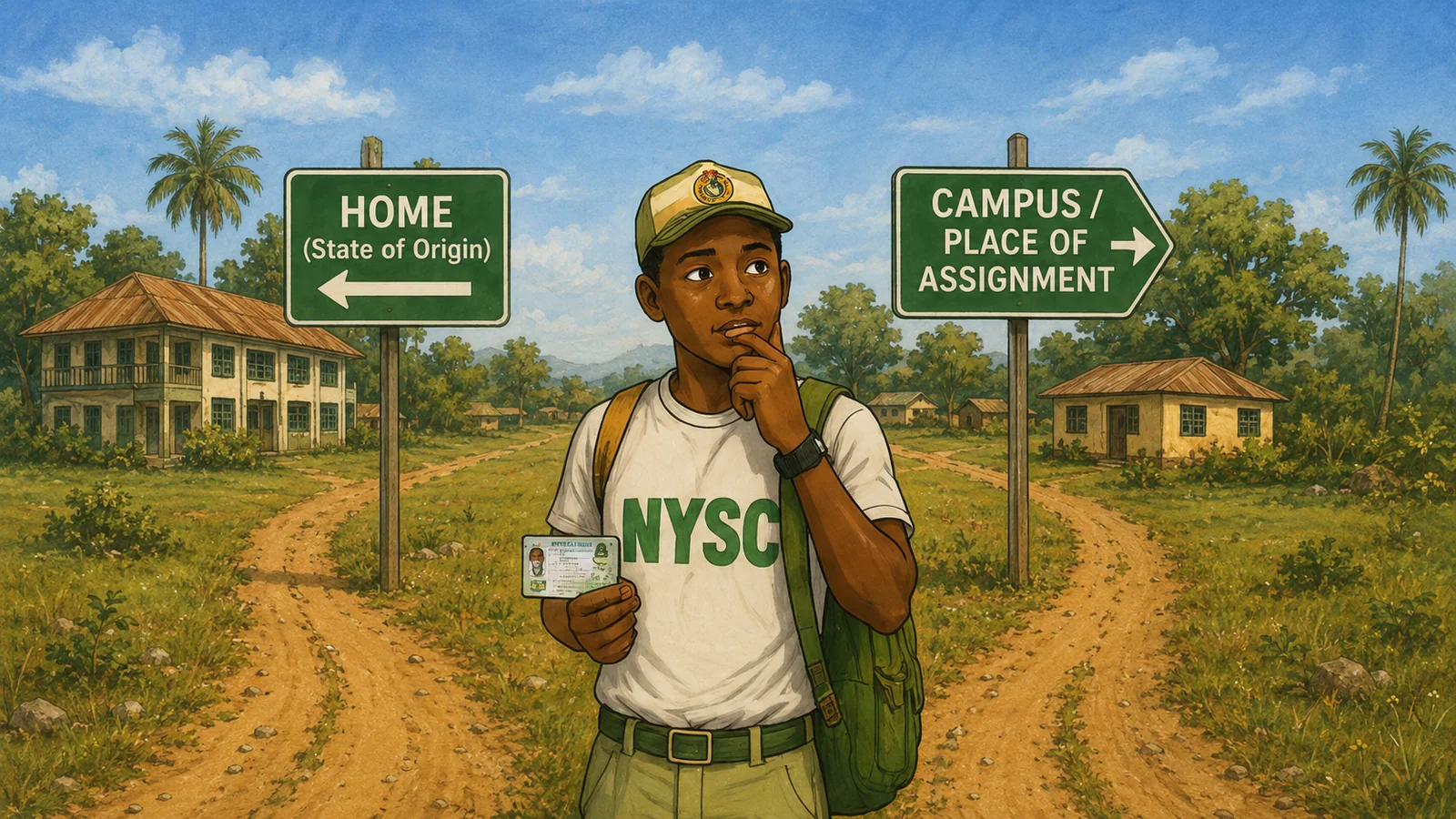
Nigeria does not let an ordinary voter choose a different polling unit simply because they are away from home on election day. If your registration is still tied to a polling unit in another town or state, you may need significant travel time.
So:
- confirm your polling unit now;
- check whether your work schedule includes 16 January or 6 February;
- tell your employer early if you may need travel time;
- do not wait for an assumed holiday declaration before making a backup plan.
What If No Holiday Is Declared?
If no declaration covers you, then the question becomes a workplace-planning issue rather than a presumed national election-leave entitlement.
Talk to your employer about options such as shift changes, approved leave, adjusted hours, or other arrangements that allow you to reach your registered polling unit. Do this early enough for the employer to plan around staffing rather than raising it at the last minute.
Where INEC publishes final voting hours and election-day movement rules, factor those into your travel plan as well.
Essential and Continuous Services
Even where governments announce a work-free day, some services may still need to operate. Healthcare, emergency services, security, utilities, transportation, communications, hospitality, and other sectors can have special staffing needs.
The actual declaration or employer notice should tell you more than the word "holiday" alone. If your job is in a continuous or essential service, ask how your shift will be handled rather than assuming the entire operation will close.
Watch the Source of the Announcement
Election periods generate fake circulars and recycled notices. Before forwarding a claim that "Friday has been declared a public holiday":
- check the Federal Ministry of Interior or the relevant state government's official channel;
- confirm the date and the election the notice refers to;
- check who is actually covered;
- cross-check with your employer if the effect on your workplace is unclear.
A graphic on WhatsApp is not a government declaration.
The Bottom Line
The 2027 presidential/National Assembly election is scheduled for Saturday, 16 January, and the governorship/State House of Assembly election for Saturday, 6 February. But an election date and a public-holiday declaration are not the same thing.
As of 21 August 2026, do not promise workers an automatic 2027 election holiday or a universal legal right to paid election leave. Check the actual government notice when it is issued, understand whether it covers your workplace, and plan with your employer early if you need time or travel to vote.
Last reviewed: 21 August 2026. Election dates, registration windows and polling procedures can change. Check INEC's official channels for the latest notice before acting.