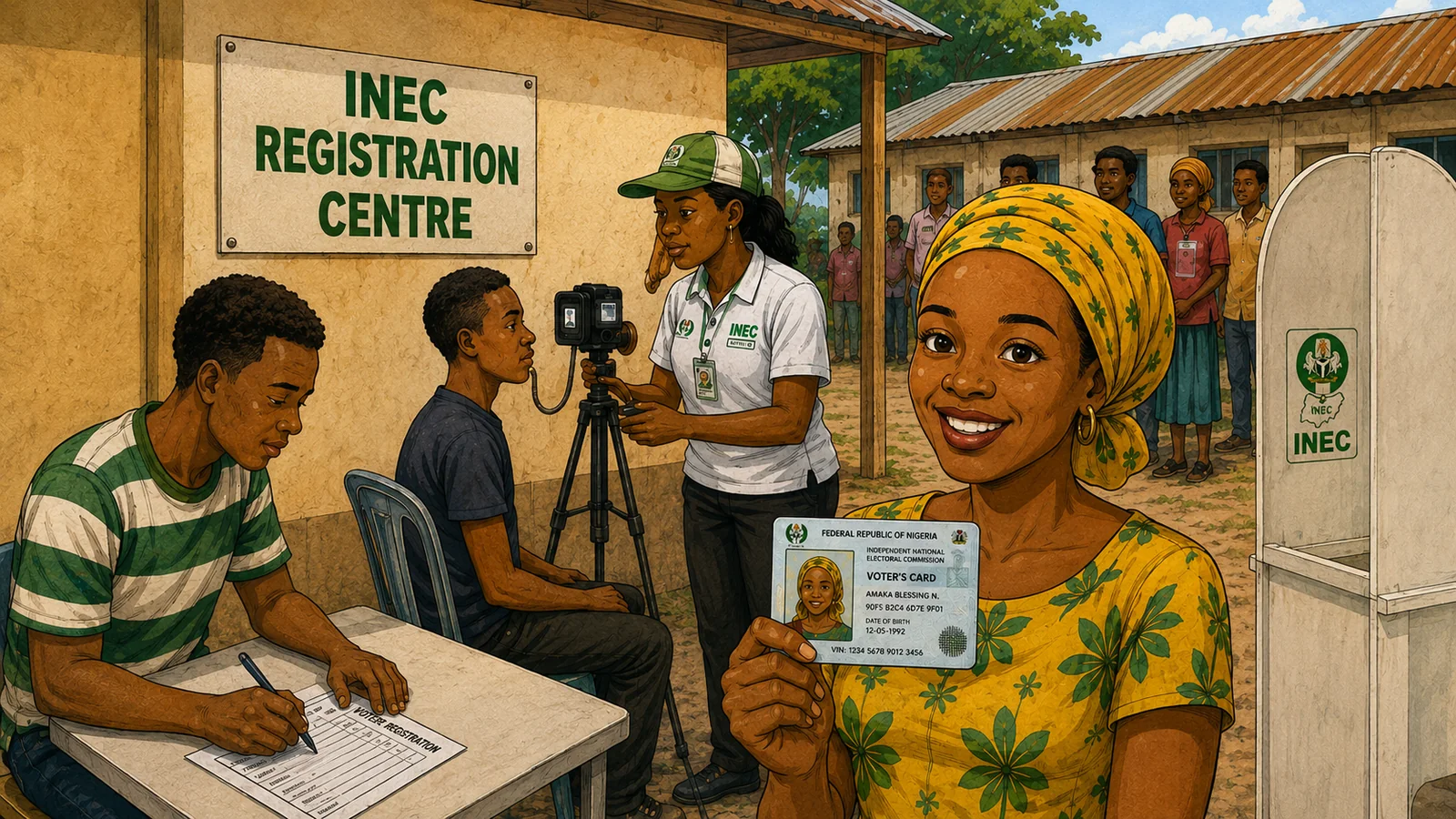

If you're a Nigerian living abroad and wondering whether you can cast a ballot in the 2027 general elections from where you are, the answer is straightforward, even if it isn't the one many people hope for: no, not yet. Here's exactly why, and what's actually being done about it.
The Short Answer
Nigeria does not currently offer any legal mechanism for citizens living outside the country to vote from abroad. To vote in the January and February 2027 elections, you must be physically present in Nigeria, registered at a specific polling unit, and able to show up there in person on election day. There's no postal ballot, no embassy voting, and no online voting option — regardless of how long you've lived abroad or how current your Nigerian citizenship and documentation are.
This isn't a new restriction introduced for 2027. It's been the position since Nigeria's return to democratic rule, and it remained unchanged even after the sweeping overhaul that produced the Electoral Act 2026.
Why This Hasn't Changed
The central reason is legal: Nigeria's current electoral framework requires personal attendance at the polling unit where a voter is registered. INEC cannot create postal, embassy, or online voting for the diaspora simply by changing an internal policy.
Diaspora voting would require a legal framework that defines who qualifies, how overseas registration and accreditation would work, where votes would be cast, how results would be secured and transmitted, and which constituencies those votes would count toward. It would also require significant operational preparation.
Those questions have been debated for years, but the law governing the 2027 election still does not provide an overseas voting mechanism.
What INEC Has Actually Said
INEC's own voter information has been clear: a Nigerian living abroad cannot currently vote from overseas. To vote under the existing system, the person must be registered and physically present at the polling unit in Nigeria where that registration is assigned.
INEC has discussed diaspora voting as a possible future reform, but that is not the same as an approved system for 2027.
What You Can Actually Do From Abroad
While you can't vote from outside Nigeria, there are a few things within your control:
- If you're planning to travel home around the election dates anyway, and you're already a registered voter with a collected PVC, you can vote at your registered polling unit as long as you're physically present during the official accreditation and voting window on the relevant date. Check INEC's final election-day notice for the applicable hours.
- If you're not yet registered, be aware that fresh registration for the 2027 elections closed on 26 July 2026, so this option isn't available for this cycle regardless of your location. Watch for the next Continuous Voter Registration window, which typically opens again after a general election, and plan a visit around it if voting matters to you.
- If you want to influence the diaspora voting conversation itself, several Nigerian diaspora advocacy organisations have campaigned actively for legislative change on this issue. Engaging with them, or with National Assembly members directly, is currently the only lever available to Nigerians abroad who want this to change for future elections.
Why Diaspora Voting Keeps Being Raised but Never Passes
The economic argument for diaspora voting is one advocates return to constantly: Nigerians abroad send billions of dollars home in remittances every year, and the argument goes that a group contributing that meaningfully to the national economy should have a say in who governs it. This argument has real political traction and shows up in nearly every National Assembly debate on the subject, but it hasn't been enough on its own to get a bill through both chambers and signed into law.
Part of the difficulty is that diaspora voting bills tend to get bundled with other, more contentious electoral reforms, which slows them down or sees them dropped in negotiations. Another part is simply sequencing — INEC and the National Assembly have prioritised other reforms first, including the BVAS rollout, IReV's legal status, and the broader Electoral Act 2026 overhaul, all of which consumed significant legislative attention in the run-up to 2027. Diaspora voting has consistently been treated as a "next cycle" item rather than something to rush into the current one.
A Common Point of Confusion
Some Nigerians abroad assume that having a Nigerian passport, an international voter registration through an embassy, or dual citizenship changes anything here — it doesn't. Voting eligibility in Nigeria is tied to being registered at a specific physical polling unit inside the country, not to citizenship status or documentation held abroad. Similarly, having voted in a past Nigerian election before relocating doesn't carry forward automatically; your registration and PVC remain tied to whichever polling unit you originally registered at, and you'd need to return there in person to use them.
How Nigeria Compares to Other Countries
Some other democracies provide one or more forms of external voting, such as voting at diplomatic missions, postal voting, or other special arrangements. Those comparisons are useful in the policy debate, but they do not change Nigeria's present law.
For a Nigerian voter abroad, the practical question for 2027 is not whether another country has solved diaspora voting; it is whether Nigeria has enacted and implemented a lawful system. As of 21 August 2026, it has not.
What to Watch For
If diaspora voting is something you care about, the meaningful developments to track are:
- Any diaspora voting bill progressing through the National Assembly, particularly one that survives past a second reading
- Public statements from INEC's chairman or commissioners tying diaspora voting to a specific future election cycle rather than a general aspiration
- Any pilot programme announcement, since past discussions have floated the idea of testing external voting in a small number of countries before a full rollout
None of these are currently in motion in a way that would affect 2027. For this election cycle, the only path to casting a ballot is being registered and physically present at your polling unit in Nigeria on voting day.
The Bottom Line
For the 2027 general elections, Nigerians abroad cannot vote remotely under any circumstances — there is no legal framework for it yet, and none is expected to be in place before January 2027. If you want your vote to count in this cycle, the only route is being in Nigeria, at your registered polling unit, during accreditation hours on election day itself. For anything beyond that, your influence currently runs through advocacy for legislative change rather than through the ballot box.
Last reviewed: 21 August 2026. Election dates, registration windows and polling procedures can change. Check INEC's official channels for the latest notice before acting.